Winter Haven: A Complete Guide to Feeding Garden Birds with Copdock Mill
When crisp frost coats the lawn and short daylight hours limit foraging time, garden birds face their toughest survival test of the year. Small songbirds like blue tits and robins can lose up to 10% of their body weight during a single freezing winter night just maintaining core body temperature. Providing clean, energy-dense food in your outdoor space can be the critical lifeline that sees native species safely through to spring.
Why Winter Feeding Demands High Energy
Natural winter food sources—such as autumn berries, lingering insects, and wild seeds—dwindle quickly as temperatures plunge. Birds require high-fat, protein-rich diets to replenish depleted calorie reserves. Regular supplemental feeding helps wild birds spend less precious energy hunting for scarce food when ambient temperatures drop below freezing.
Choosing the Right Copdock Mill Feed for Your Garden
With over 40 years of heritage in milling quality animal and wild bird feed, Copdock Mill formulates mixtures designed to suit different feeding styles and bird species. Matching the feed to your visiting wildlife ensures maximum nutrition with minimal waste:
| Copdock Mill Blend / Option | Key Ingredients & Features | Target Species | Ideal Feeder Type |
| Hi-Energy Garden Feast Mix | Packed with sunflower hearts, suet pellets, and high-oil seeds. | Goldfinches, tits, siskins, and finches. | Hanging seed feeders, mesh tubular feeders. |
| Berry Feast Mix | Wholesome grains blended with dried berries and oil-rich seeds. | Blackbirds, thrushes, starlings, robins. | Bird tables, ground trays, open platform feeders. |
| Wheat Free Mix | Rich in millet, sunflower, cut maize, and hemp seed without large wheat filler grains. | Robins, dunnocks, tits, smaller songbirds. | Hanging seed feeders, bird tables. |
| Hearty Nut Mix & Peanut Ranges | High-fat, high-protein whole or split peanuts and nut mixes. | Woodpeckers, nuthatches, greenfinches, coal tits. | Stainless steel mesh peanut feeders (avoids choking hazards). |
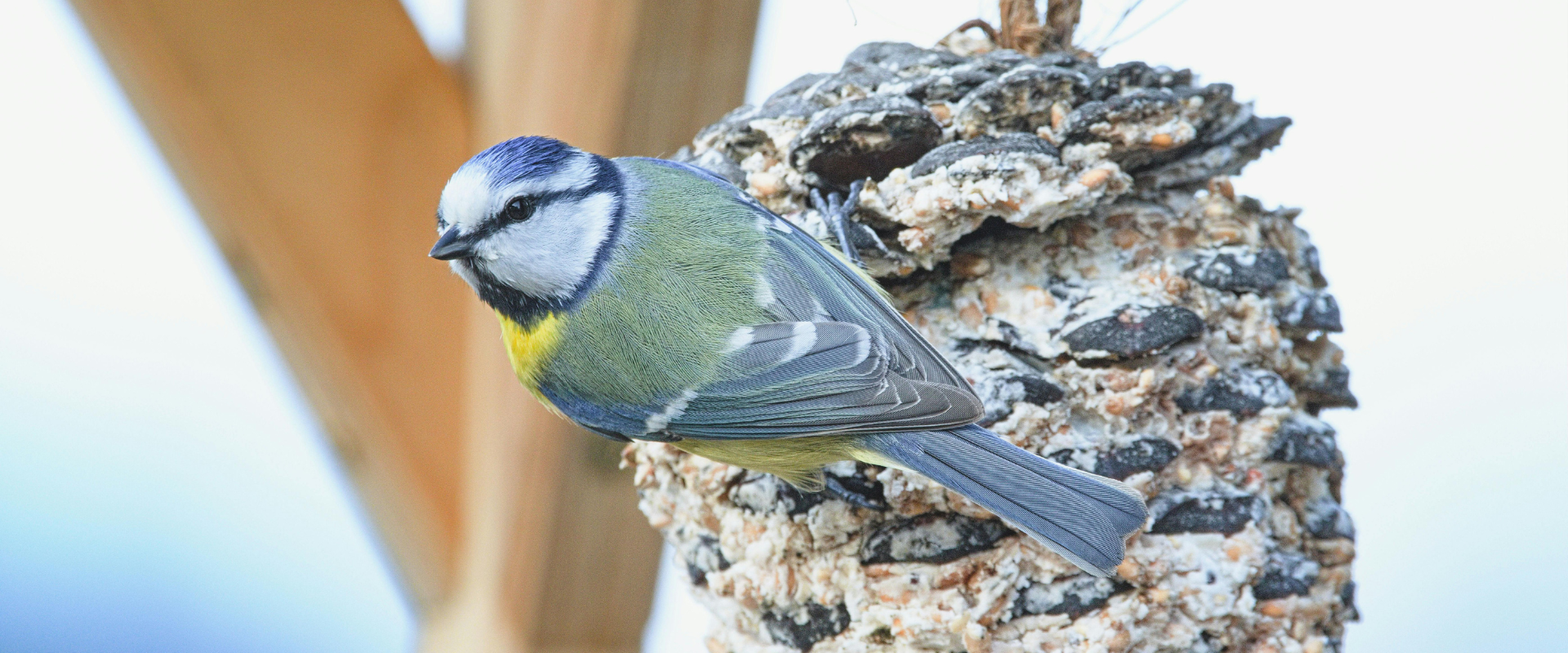
| Suet Balls & Mealworms | Suet cakes, suet balls, and protein-packed dried mealworms. | Robins, wrens, long-tailed tits, blackbirds. | Suet cages, hanging fat ball holders, ground dishes. |
Best Practices for Winter Bird Care
To keep your garden birds healthy and coming back throughout the winter season, keep these essential tips in mind:
- Establish a Consistent Schedule: Put out fresh food early in the morning so birds can replenish calories lost overnight, and replenish again in the early afternoon before dusk.
- Offer Fresh, Unfrozen Water: Water is often harder for birds to find than food during prolonged frosts. Keep a shallow bird bath topped up with clean water, and check daily to break any ice layer.
- Keep Feeders Clean: Damp winter weather can spoil seed rapidly. Clean feeders, trays, and bird tables regularly with mild disinfectant to prevent disease transmission. Put out 1–2 days’ worth of food at a time to prevent damp accumulation.
- Provide Shelter Near Feeders: Position feeders within a few metres of shrubs or hedges so timid species can dive into cover if predators approach.